
Petroleum vs Synthetic Sulfonates
Leave a message
You'll find sulfonates playing a critical role in three major additive sectors: rust preventatives, metalworking fluids, and engine oil detergents.
Although petroleum and synthetic sulfonates are both sulfonate compounds, their differences become clear when looking at four specific aspects-feedstock origin, molecular structure, performance, and application. Here is a closer look at each.
Petroleum sulfonates are recovered from the production of white oil at refineries. Lubricating oil fractions are sulfonated, and the resulting sulfonic acids are subsequently separated and neutralized with bases like barium, calcium, or sodium hydroxide.
Petroleum sulfonates are by-products of refining, whereas synthetic sulfonates are built from the ground up. It begins with the synthesis of specific alkylbenzenes, followed by sulfonation with SO₃ and neutralization.
This method allows tuning of every stage; characteristics such as alkyl chain length, degree of branching, and molecular weight are determined by the random nature of crude oil composition.

Differences in Molecular Structure
The hydrocarbon backbone of petroleum sulfonates is mixed-linear, branched, and naphthenic structures coexist within the same batch of molecules. Substitution positions on the aromatic rings are random and predominantly multi-substituted.
Synthetic sulfonates possess a well-defined structure. The alkyl group is typically a single chain attached to a single benzene ring, with the carbon number specified during the synthesis stage. This structural regularity is the fundamental cause of almost all downstream performance differences.
Differences in Performance Metal Content
Synthetic sulfonates achieve higher barium or calcium contents because their regular alkyl chains undergo more complete saponification. Premium synthetic barium sulfonates can reach 15–20% metal content, whereas traditional petroleum types only reach 3–12%. Newer direct-process petroleum sulfonate technologies (developed by entities such as the Suzhou Special Oil Products Research Institute) have raised Ba content from 4% to 5–12%, though the upper limit remains lower than that of synthetic types.
Oil Solubility
This is a weak point for petroleum sulfonates. Their naphthenic and branched components reduce solubility in mineral base oils, typically requiring co-solvents (such as butanol, pentanol, or ester compounds) to keep barium petroleum sulfonate fully dissolved. Synthetic sulfonates dissolve well without co-solvents thanks to their linear alkyl design.
Rust Prevention Performance
Both types of sulfonates perform exceptionally well in salt spray tests, and barium petroleum sulfonate has a long history of proven field performance in rust preventative oils. The advantage of synthetic types lies not in higher absolute performance, but in consistency-their uniform molecular population across batches ensures reproducible performance.
Thermal Stability
Synthetic sulfonates outperform petroleum types at high temperatures. The broad molecular weight distribution of petroleum sulfonates contains low-molecular-weight components that tend to undergo premature thermal decomposition. Synthetic types possess a narrow molecular weight distribution free of light fractions, making them more stable under sustained heating conditions.
Color
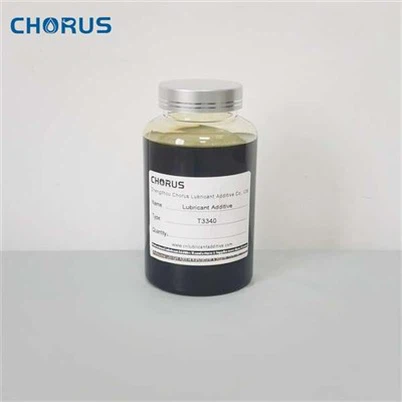
Petroleum sulfonates range from dark brown to black, with polycyclic aromatic hydrocarbons. Synthetic sulfonates are light brown to amber. This distinction is significant for final product appearance requirements, particularly in metalworking fluids and display oils.
|
Performance Indicator |
Petroleum Sulfonate |
Synthetic Sulfonate |
|
Ba/Ca Content |
Higher content; high metal content |
Controllable content; customizable on demand |
|
Oil Solubility |
Fair, but greatly affected by raw materials |
Excellent; uniform molecular structure with stable solubility |
|
Rust Prevention |
Good, but varies between batches |
Excellent; stable and reliable rust-prevention performance |
|
Color |
Dark (dark brown to black) |
Light (pale yellow to amber) |
|
Thermal Stability |
Moderate; prone to decomposition at high temperatures |
Excellent; good high-temperature stability |
|
Batch Consistency |
Relatively poor consistency due to crude oil source variations |
Synthetic process is controllable; excellent batch-to-batch consistency |
|
Emulsification Tendency |
Higher tendency; easily forms emulsions |
Lower tendency; good demulsibility |
Petroleum sulfonates and synthetic sulfonates each offer distinct advantages across different application scenarios:
In the field of rust preventative oils, barium petroleum sulfonate remains difficult to replace in fingerprint removers and indoor storage coatings due to its strong salt spray resistance and low cost per unit of rust protection.
For lubricating oil detergents and dispersants, synthetic sulfonates have become the mainstay in engine oils owing to their controllable molecular weight and excellent detergency, such as overbased calcium sulfonate used as an engine oil detergent.
In metalworking fluids, sodium petroleum sulfonate is commonly used for basic emulsification and rust inhibitor, whereas synthetic sulfonates are utilized in high-end, high-stability applications, such as micro-emulsion cutting fluids.
For emulsifiers, sodium petroleum sulfonate is inexpensive and widely available, while synthetic sulfonates are added to specialty lubricants like hydraulic fluids and way oils to simultaneously enhance anti-wear and rust preventative performance, making them particularly suited for the lubrication requirements of high-precision equipment.
Additionally, both types find application in oilfield chemicals: petroleum sulfonates are mostly used as oil displacement agents, while synthetic sulfonates serve as surfactants.
Overall, petroleum sulfonates excel in low cost and broad availability, making them suitable for high-volume, routine applications; synthetic sulfonates excel in superior performance and stability, making them ideal for demanding, high-value-added applications.
Chorus offers a wide variety of rust-preventative additives for lubricants, metalworking fluids, and rust-preventative oils, including various synthetic sulfonates, water-soluble rust inhibitors, and rust-preventative additive packages.